
Ensuring a Secure Purchase of a Used Hunting Rifle at Gun Shows
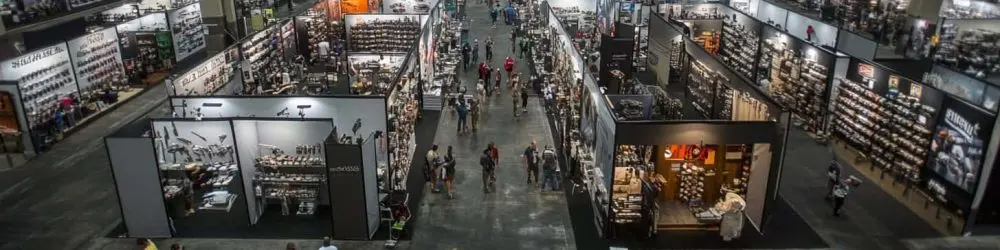
Choosing a used hunting rifle can often seem like a way to get a good deal on a strong gun.. In the busy environment of a gun show it can be easy to rush into a decision. A rifle that looks fine at first might have problems that're n't obvious at first. Doing a check is important to tell the difference between small problems and bigger issues. It also helps with understanding the transfer rules and keeping within budget.
Assessing Purpose and Use
Before going to the event think about what you need the rifle for. Decide what kind of animals you want to hunt, where you will be hunting and what kind of ammo you need. Based on these things decide if a light model is better for carrying a time or a heavier one that is more steady for shooting from a rest. Don't just go for a name you know make sure the rifle is in shape.
Also think about costs that are not just the price of the gun. Make sure to save money for all the things you need like transfer fees, places to keep the gun, a strap, ammo and maybe a gunsmith to look at it if you are unsure. If you don't have money for safe storage or learning how to use it then it's not a good idea to buy.
Prioritizing Safety During Inspection
When you find a gun that interests you don't touch it until the seller or the staff explains the safety rules. Always keep the front of the gun pointed in a direction don't put your finger on the trigger and ask the seller to open the action to make sure the gun is empty. Keeping the gun empty during the check is very important. Don't dry fire load it or test the trigger unless the seller and the rules allow it.
If the seller says no to checking that the gun is empty that's a warning sign. Also be careful if the guns are too close together or tied down making it hard to handle them safely. If that is the case it's better to leave; no deal is worth being unsafe.
Systematic Condition Evaluation
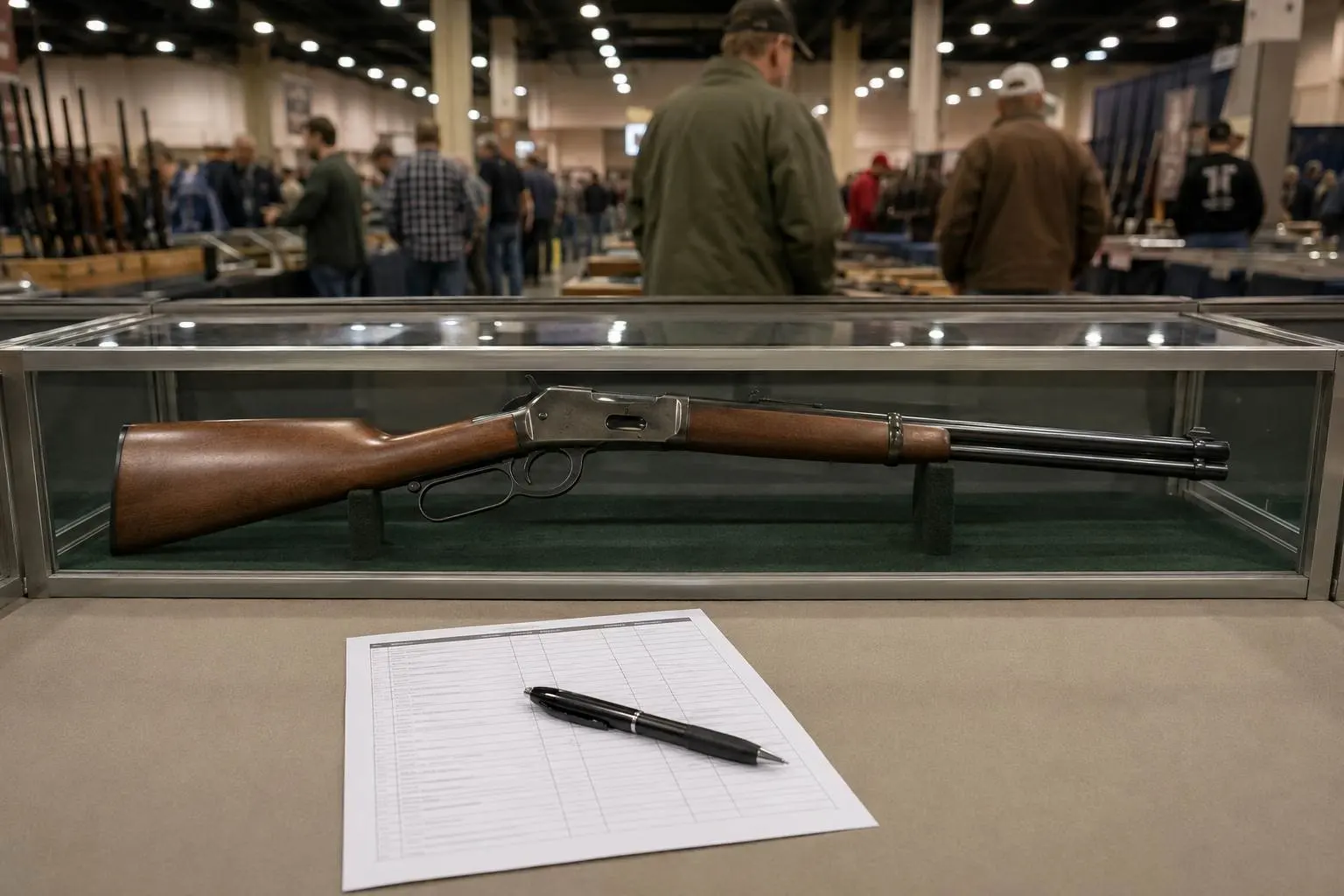
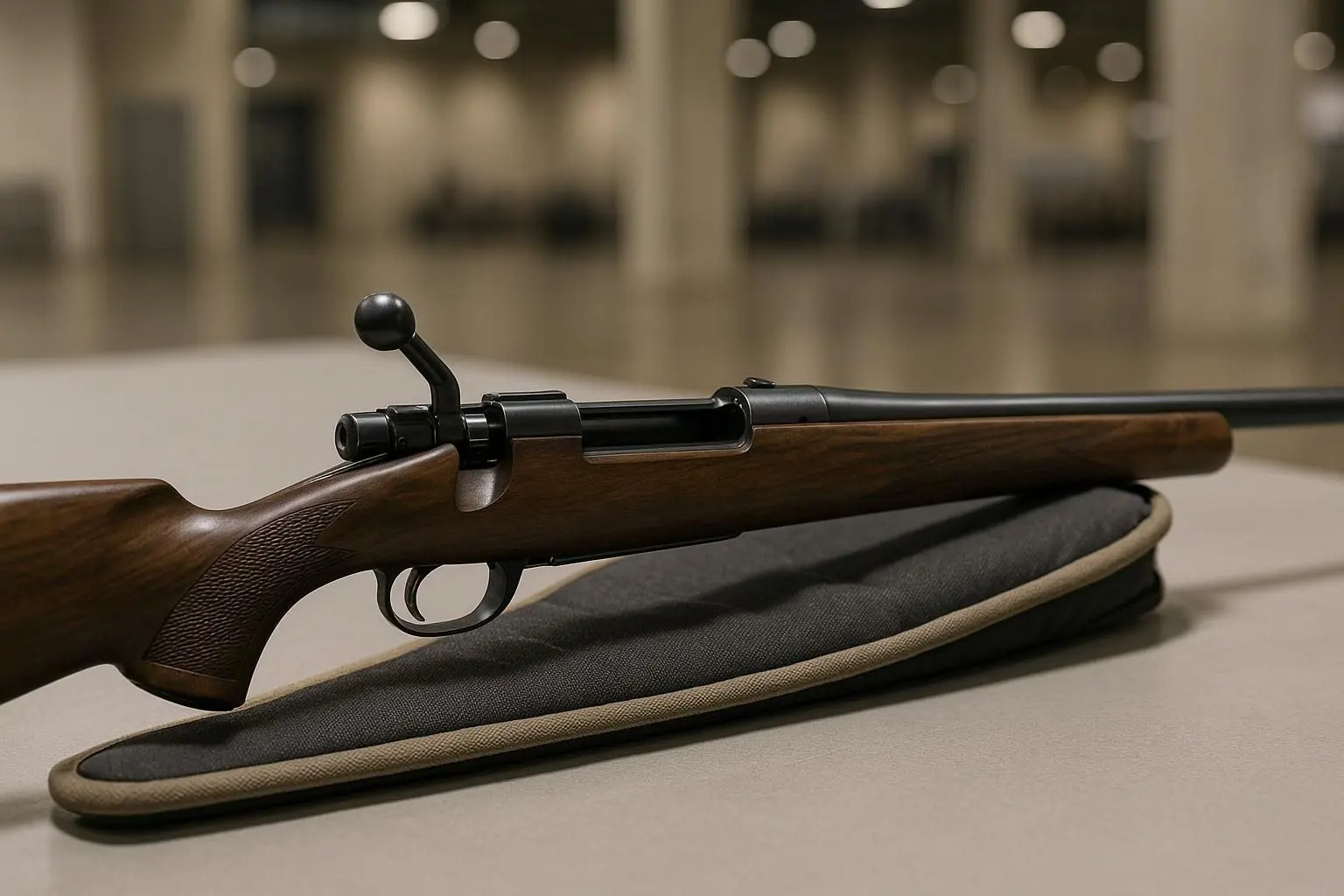
Start checking the gun by looking at the receiver the barrel, the stock and the controls. Take apart parts only if the seller says it's okay. Make sure the serial number is clear and matches the papers. If the number is not clear or changed. Ask someone at the event for help.
Look for signs of wear like stocks crushed areas near the screws or bad repairs. Little scratches might be okay. Cracks near the back or a loose part can be dangerous. Check the metal parts for rust, dents or damage to the end of the barrel. Some color changes might not matter,. Damage to the barrel needs to be handled with care especially in a busy place.
If the action is open and the gun is empty you can look down the barrel if the seller says it's okay. You have good light. Remember that a lot of dirt might hide the condition so a quick check might not be enough. Move the safety and the action carefully; they should work smoothly without sticking or being too loose. Don't try to fix problems like the trigger or the space between the bullet and the chamber. Treat the gun as not safe until a real expert checks it.
Evaluating Optics and Accessories Separately
Things like scopes, rings or straps might make a deal seem better. Don't let them take your attention away from the gun itself. Make sure the optics are fixed and look at the lenses for cracks or fog inside. If the controls are not working it might cost a lot to replace them.
Check that the part where the bullet goes in is clear and that the ammo is labeled clearly. Don't trust what the seller says about what works. If the markings are not clear get help from a professional of trying different ammo.
Setting Your Budget Beforehand
Make a budget before you go to the gun show. Write down the amount you can spend including the gun, transfer costs moving it storing it any repairs and buying some ammo. Keep some money for a professional check so a small discount doesn't make you change your mind.
It's important to base your offer on how the gun looks, not on your feelings. Small issues might mean you can ask for a price but big problems like missing parts or unclear history should make you walk away. Watch out for people who try to rush you into a decision; those are usually not reasons.
Clarifying Transfer Protocols
Before you buy understand the rules for moving the gun. These can be different depending on where you live. The way it works at a gun show might be different from a deal so ask the organizer or a dealer how the transfer will happen what ID you need and if the gun has to stay at the show while the papers are done. Always check the rules from the right people, not old checks or what the seller says.
Also pay attention to the rules of the place, about handling, paying, checking, taking pictures, ammo and taking the gun out. Read any signs ask if you are not sure and keep all the papers until the transfer is done.
Quick Reference Checklist
– Is the gun confirmed empty and handled safely as the event says?
– Is the number and the part where the bullet goes in clear and matches the papers?
– Have you seen any damage, wear or safety issues?
– Does the total cost fit your planned budget?
– Can the seller clearly explain the transfer process?
If you can't say yes to all these questions it's best to stop and think again. A used rifle won't go away; it's better to wait for a chance that meets all your needs.