






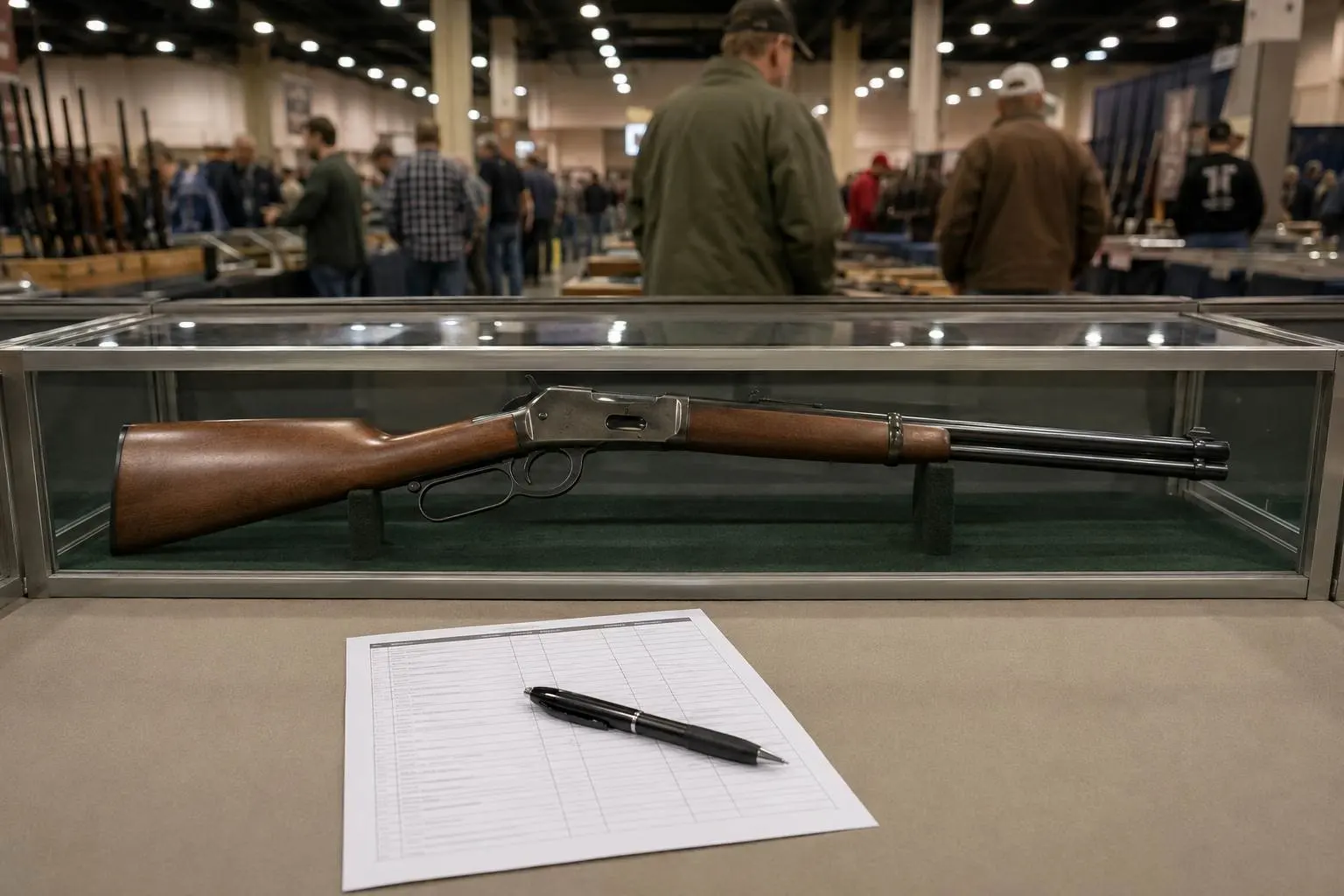
The practical problem is known: you go to an equipment event with a list find more choices than expected and start thinking about buying before you know what you need. Preparation changes that stress into a comparison instead of a costly mistake. Choose which chances are worth your attention, which questions need answers and when its smart to walk
Define the job before you look around
Start with the reason for the purchase, not a type of product. Are you replacing equipment looking for a certain gun checking optics or collecting information? Write the problem in one sentence. "I need a reliable setup for supervised range use" is more helpful than "I want something interesting."
Choose two or three ranked standards, like fit, condition, intended use, compatibility, warranty support or easy to fix. If something doesn't meet your requirement, a lower price or nice look should not change your mind.
A show can be helpful even if you don't buy anything. Notes, answers from experts and a better understanding of what to compare are good outcomes.
Set a budget that includes the transaction
Your budget should be more than just the price. Include taxes or any fees legal transfer costs if needed, transportation, safe storage and any extra things. Use a three-part limit:
– A target amount for the item.
– A maximum you will not go over.
– A reserve for costs and safe storage.
Keep the private and see it as a stop sign, not a point to negotiate. If a seller says you need to decide away to keep the chance take a break. A good decision can last a few minutes of checking and laws should never be ignored for convenience.
Cash, cards and payment rules can be different at every place. Know the details before you go. Don't see a payment method as proof that the deal is right or legal.
Check the rules of the event before you leave home
The rules of the event might affect what you can bring, carry, show or touch. Some events need guns to be empty and stored in a way; others don't allow outside items, bags, pictures or certain actions. Read the organizers instructions and follow the signs when you get there.
Local and state rules can also change. Rules for sales, dealer help, background checks, waiting times permits, storage and moving things can be different in different places. Don't trust forum posts a friends memory or a sellers word. Check information or talk to a local expert before you make a deal.
If you are moving a gun check the rules for every place on your path. Keep safety steps and papers separate from shopping choices;. Should be made up in a busy parking lot.
Use a way to check out the gun
Start with safety, not curiosity. Follow the events rules ask the seller to show that the gun is empty and keep the barrel pointing in a direction. Don't touch a gun without permission. If the condition or status is not clear. Ask for help.
For a used item look at it in light. Check for very worn parts, cracks, deep rust, parts that don't fit changed marks or signs of bad storage. Make sure moving parts work as they should after the gun is proven empty and handling is safe. Don't try to fix take apart or test the gun at the table.
Ask questions: Who is the seller? Is there a return policy or written description of the condition? Has the item been changed, fixed or painted? Are the numbers on the gun clear and match the papers? What extra things come with it? Honest answers are helpful. They don't take the place of your own check.
For an new used gun set up a check by a trained gunsmith or another proper person when possible. The extra time and cost might be worth it.
Keep deals separate from pressure to buy
A legal gun deal needs more than agreeing on a price. Both sides must follow state and local rules, including any needed transfer steps. A seller, dealer or event person may explain their process but you are in charge of following the law that applies to you.
Bring valid ID and any legal permits or papers but don't think ID makes a purchase okay. Never give info avoid a needed step or accept a plan to split the deal to avoid laws. If the process is unclear fast or seems like a trick leave the deal.
A good seller should explain the papers show the transfer plan and give you time to read before signing. If you don't understand a form ask for help or get advice. Don't sign based on a promise that a missing part will be fixed later.
Carry one decision list then be ready to leave
A list helps keep excitement from taking over your judgment. Keep it on paper or in your phone:
– Does this fix the problem I wrote down?
– Is the condition okay and what shows that?
– Did I check the number, extra parts and written rules?
– Is the deal legal where I live and in my situation?
– Does the total cost stay under my strict maximum?
– Can I move and store it safely after the event?
– What reason would make me walk away?
The last question is important. A missing paper, history, pressure to skip steps new damage or a price over your limit is enough. You don't need to win an argument or explain it a lot.
A planned visit gives you info, not always a buy. Compare notes after you go check questions, with current sources and think about your original goal before you decide. The best deal often comes from keeping your choices until you have all the facts.